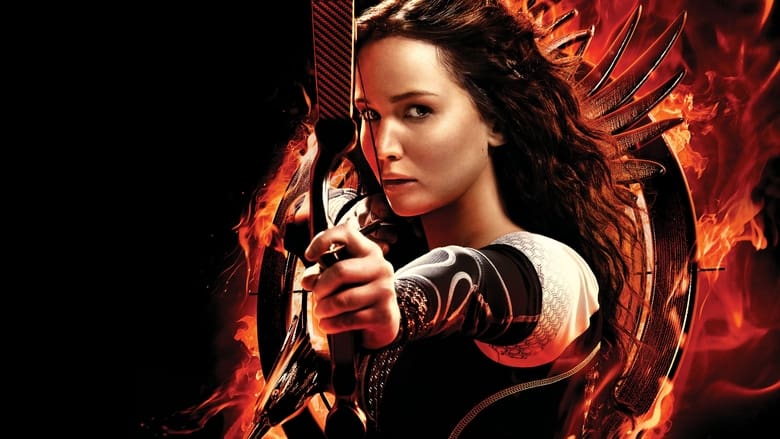

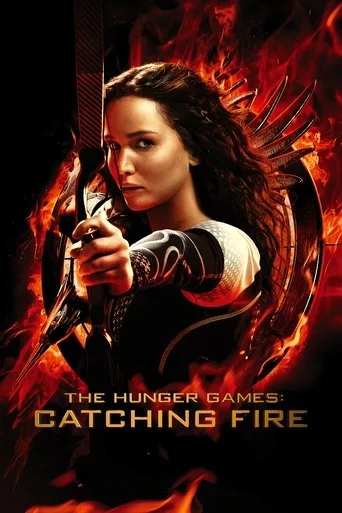
The Hunger Games: Catching Fire
Francis Lawrence · 2013 · Film
2h 26m · Adventure, Action, Science Fiction
In 85 Achriom libraries · rated 3.6 of 5
In this continuation of a dystopian saga, the film dives deeper into the emotional and political ramifications of survival in a brutal regime.
Some links are affiliate links. As an Amazon Associate, Achriom earns from qualifying purchases.
If this resonated
Works across other media that circle the same themes, drawn from real Achriom libraries.
What should I read after The Hunger Games: Catching Fire?
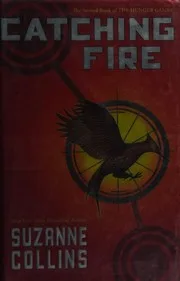
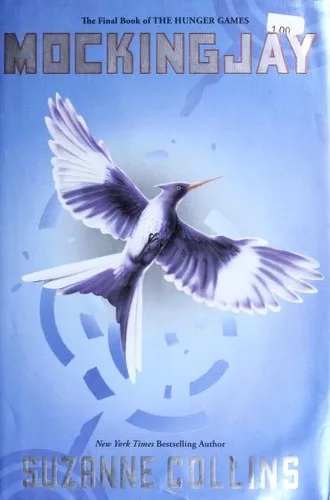
Suzanne Collins' Catching Fire novel grants fuller insight into Katniss's resistance from within the arena itself, revealing psychological layers that the film adaptation cannot develop. This novel continues the harrowing journey of its protagonist as she is thrust back into the arena for a deadly competition, highlighting themes of resistance and societal control. Suzanne Collins' Mockingjay thrusts Katniss deeper into revolutionary conflict, anatomizing the psychological disintegration and moral compromise that sacrifice demands of those who lead rebellion. This novel explores the intense psychological and moral struggles of a young woman thrust into the heart of a revolutionary conflict.
What show should I watch after The Hunger Games: Catching Fire?
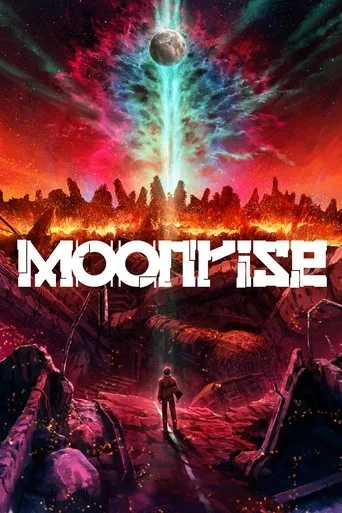
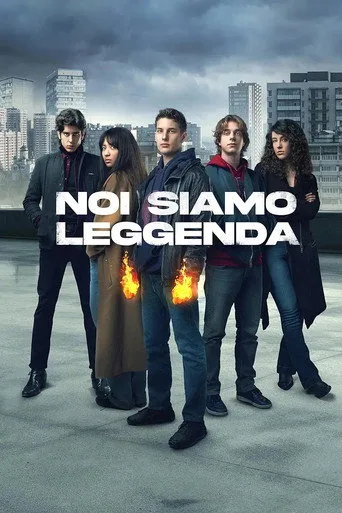
Moonrise's young heir must reckon with privilege and accusation within a dystopian system, forced into the same political machinery that defines Catching Fire's Katniss. This work explores the intersection of privilege and duty as a young heir grapples with accusations in a dystopian landscape. Noi siamo leggenda binds survival and moral compromise within a dystopian collapse, grounding action in human connection just as Catching Fire centers its political stakes in character bonds. This work explores profound themes of survival and human connection within a dystopian framework, highlighting the moral dilemmas faced in a world transformed by technology.
What anime pairs with The Hunger Games: Catching Fire?
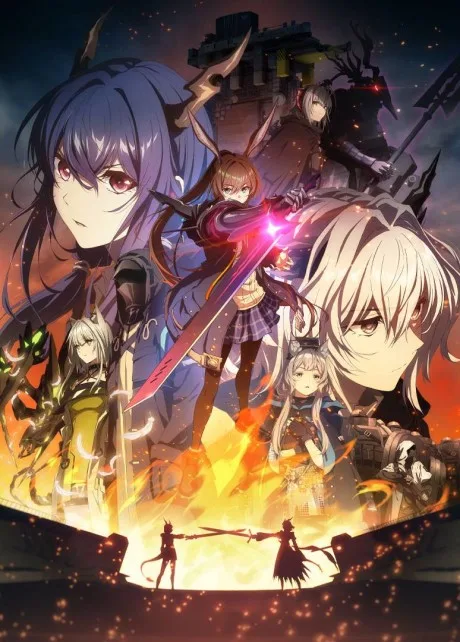
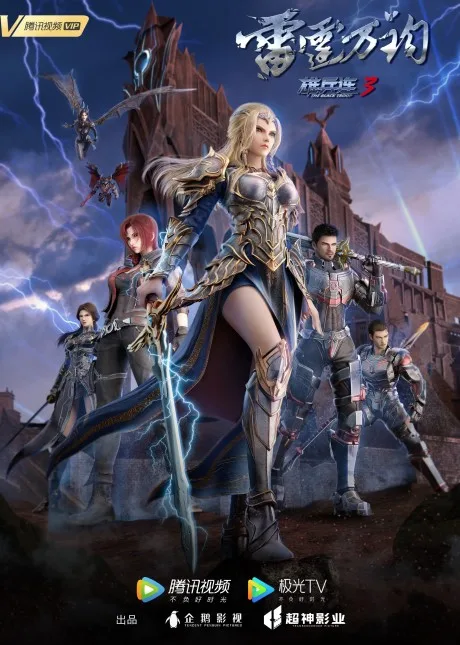
Arknights: RISE FROM EMBER shows ideological conflict where sacrifice becomes inevitable, presenting the same impossible choice between personal will and systemic demand that defines Catching Fire. This series showcases an engaging conflict driven by deep ideological battles, where former hopes turn into destructive forces. Xiong Bing Lian 3 presents intense sci-fi combat to reveal how technology reshapes identity under systemic pressure, just as Catching Fire demonstrates regime control over human nature itself. This series is a high-stakes blend of action and science fiction, characterized by intense battles and a focus on the implications of technological advancements on human identity.
What music pairs with The Hunger Games: Catching Fire?
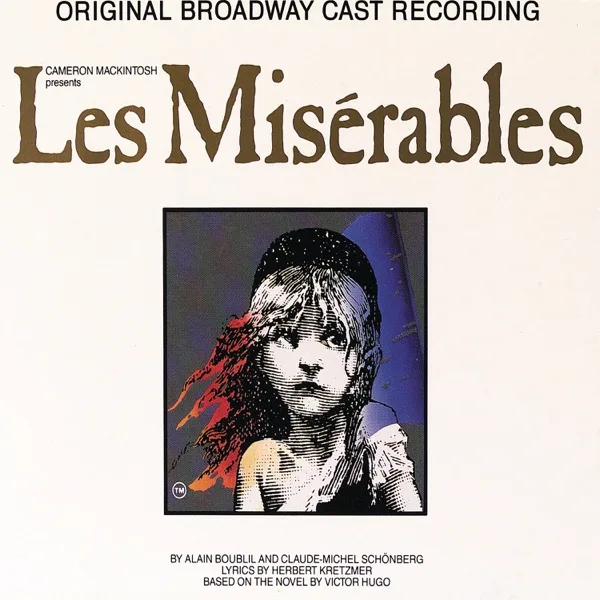
Frances Ruffelle's Les Misérables album captures struggle and sacrifice through performance, the same emotional power that drives Catching Fire's protagonist through rebellion against oppressive authority. This record captures the powerful narrative and emotional depth of its source material, showcasing themes of struggle, sacrifice, and redemption. The Tokyo Ghoul soundtrack renders identity fracture under oppression through haunting music, just as Catching Fire uses spectacle and performance to expose how regimes dehumanize their subjects. This record serves as an evocative soundtrack complement to its source material, blending haunting melodies with dramatic instrumental arrangements.
What does The Hunger Games: Catching Fire connect to in your library?
Achriom reads the themes across your books, films, albums, and shows and finds the threads between them. Import your collection and see where this one sits in your taste.
Build your library freeCatalog data and thematic analysis by Achriom, the cross-media personal library.