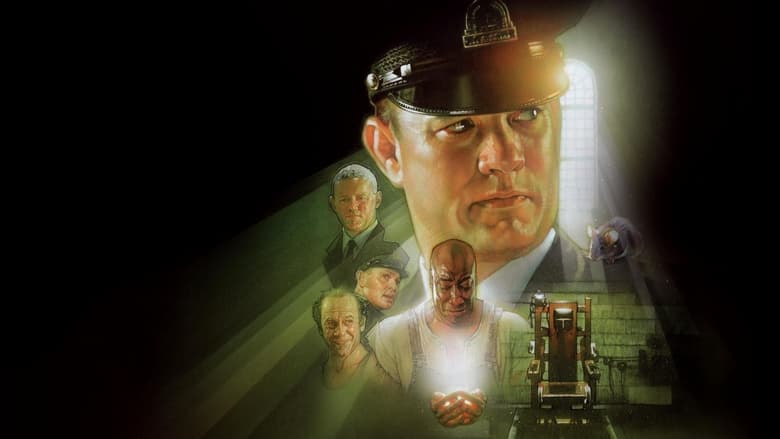

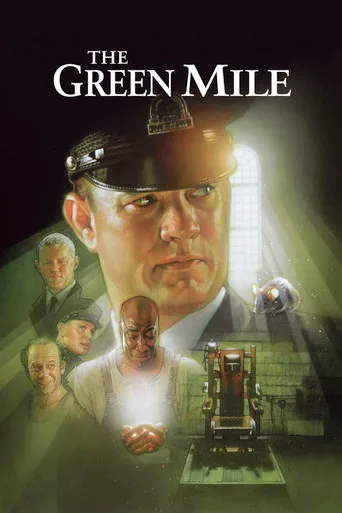
The Green Mile
Frank Darabont · 1999 · Film
3h 9m · Fantasy, Drama, Crime
In 87 Achriom libraries · rated 4.3 of 5
This film presents a poignant exploration of life, death, and the supernatural, grounded in the suffering and resilience of those on death row.
Some links are affiliate links. As an Amazon Associate, Achriom earns from qualifying purchases.
If this resonated
Works across other media that circle the same themes, drawn from real Achriom libraries.
What should I read after The Green Mile?
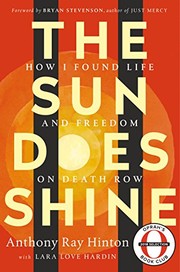
The Sun Does Shine documents actual redemption through decades of persistence, while The Green Mile imagines supernatural redemption, both indicting capital punishment's vulnerability to error. This work provides a harrowing account of a man's wrongful conviction and three decades spent on death row, illustrating the deep flaws within the criminal justice system. The Shawshank Redemption, like The Green Mile, pits individual compassion against systems designed to crush it, using prison settings to examine how dignity survives institutional dehumanization. This work is a profound exploration of human resilience and hope, set against the backdrop of prison life.
What show should I watch after The Green Mile?
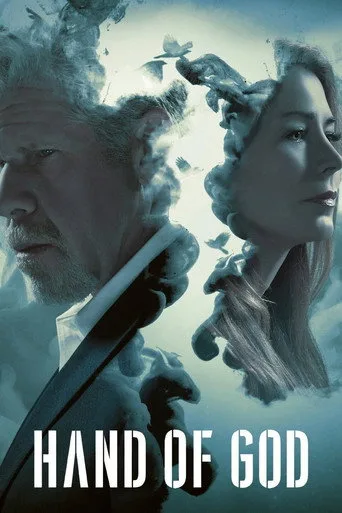
Hand of God examines whether divine direction justifies a protagonist's actions, mirroring how The Green Mile interrogates whether supernatural grace redeems institutional injustice. The narrative centers on a troubled figure grappling with his own morality while believing he is receiving divine direction. Inside Man (2022) builds suspense from moral ambiguity and fate, while The Green Mile locates its tension in supernatural grace, both leaving judgment uncertain. This series captures the intertwining lives of three seemingly disparate characters, exploring deep themes of fate and moral ambiguity.

What anime pairs with The Green Mile?
PSYCHO-PASS questions whether systems can judge morality, while The Green Mile locates moral truth in individual mercy, both interrogating who bears responsibility for justice. This film explores the deeply personal and philosophical conflicts faced by its characters in a world rife with violence and moral ambiguity. Both The Green Mile and Shuumatsu no Walküre use supernatural elements to externalize moral conflicts, showing how characters' choices carry consequences beyond immediate circumstances. This anime blends elements of psychological horror and fantasy, presenting an engaging narrative that revolves around personal struggles and the consequences of one's choices.


What music pairs with The Green Mile?
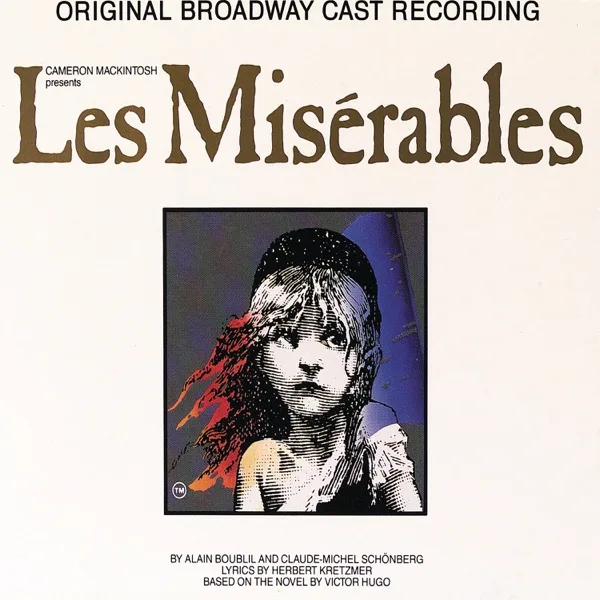
Death Note's soundtrack conveys the psychological weight of moral choice, much as The Green Mile channels moral complexity through narrative and character. This work is significant for its compelling and atmospheric compositions that capture the psychological depth and moral complexities depicted in the associated narrative. Les Misérables traces how sacrifice transforms lives within unjust systems, sharing The Green Mile's investigation of whether redemption requires individual grace or systemic reform. This record captures the powerful narrative and emotional depth of its source material, showcasing themes of struggle, sacrifice, and redemption.

What does The Green Mile connect to in your library?
Achriom reads the themes across your books, films, albums, and shows and finds the threads between them. Import your collection and see where this one sits in your taste.
Build your library freeCatalog data and thematic analysis by Achriom, the cross-media personal library.