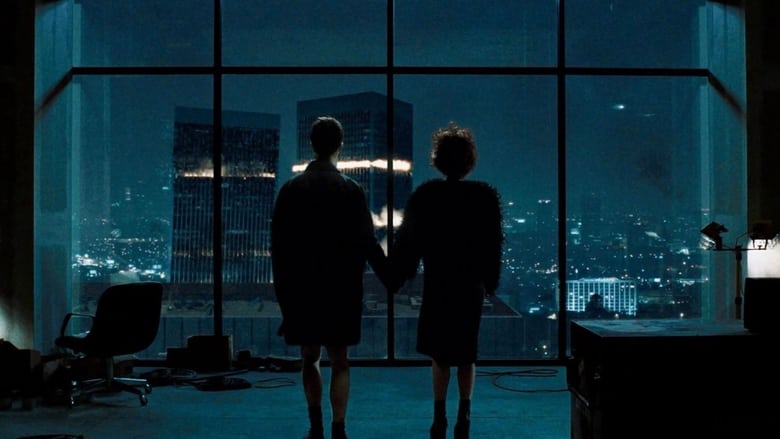


Fight Club
David Fincher · 1999 · Film
2h 19m · Drama, Thriller
In 126 Achriom libraries · rated 4.4 of 5
This film presents a raw and visceral exploration of modern masculinity and the human psyche, delving into themes of identity, consumer culture, and rebellion.
Some links are affiliate links. As an Amazon Associate, Achriom earns from qualifying purchases.
If this resonated
Works across other media that circle the same themes, drawn from real Achriom libraries.
What should I read after Fight Club?
Palahniuk's Fight Club novel carries the same psychological fracture and male rage, letting readers inhabit the narrator's breakdown rather than witnessing Fincher's stylized destruction. This novel offers a visceral exploration of modern discontent and male identity through the lens of violence and rebellion against societal norms. The Tenant follows a man's psychological dissolution under housing oppression and social hostility, excavating the mental collapse that Fight Club implies through Fincher's aesthetics. This novel intricately weaves the story of a man's descent into madness as he grapples with an oppressive reality, blurring lines between perception and objective truth.


What show should I watch after Fight Club?
A Very Ordinary World shows a man breaking from oppressive systems to claim freedom, tracking the same liberation-through-fracture that Fight Club demands. This work intricately explores the struggles of a young man attempting to break free from oppressive relationships and societal norms, ultimately revealing the disillusionment that accompanies his journey. Everything Calls for Salvation renders internal mental fracture visible, transforming Fight Club's unreliable narrator into a protagonist learning to live with his fractured self. This work explores the harrowing yet transformative experience of a young man navigating his mental health within a psychiatric facility.


What anime pairs with Fight Club?
Paprika mirrors Fight Club's collapse of reality and dream, but inside a mind opened to the subconscious rather than fractured by it. This visually stunning film masterfully explores the interface between dreams and reality, inviting viewers on a journey through the subconscious. Fate/stay night TV Reproduction questions personhood and choice amid supernatural systems, confronting the same suffocation of authentic identity that Fight Club exposes. This series delves into profound themes related to existence, identity, and the complicated relationship between humans and technology.


What music pairs with Fight Club?
We Are Chaos captures the spiraling identity dissolution that Fight Club charts through music, making the narrator's fragmentation audible across distorted soundscapes. This record serves as a provocative reflection of contemporary chaos and personal turmoil, exploring themes of identity, fame, and existential dread. Holigan delivers the violent cultural defiance that Fight Club advocates, combusting with the same rage at systemic numbness. This work delves into the raw emotions of its characters, capturing the essence of personal battles and societal defiance.


What does Fight Club connect to in your library?
Achriom reads the themes across your books, films, albums, and shows and finds the threads between them. Import your collection and see where this one sits in your taste.
Build your library freeCatalog data and thematic analysis by Achriom, the cross-media personal library.