
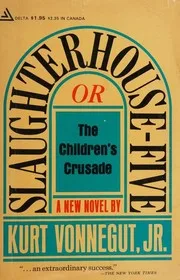
Slaughterhouse-Five
Kurt Vonnegut · 1968 · Book
Juvenile Nonfiction
In 8 Achriom libraries · rated 4 of 5
This novel explores the devastating effects of war through the fragmented life of its protagonist, who becomes 'unstuck in time' as he experiences different moments of his life.
Some links are affiliate links. As an Amazon Associate, Achriom earns from qualifying purchases. For books we prefer Bookshop.org, which supports independent bookstores.
If this resonated
Works across other media that circle the same themes, drawn from real Achriom libraries.
What film should I watch after Slaughterhouse-Five?
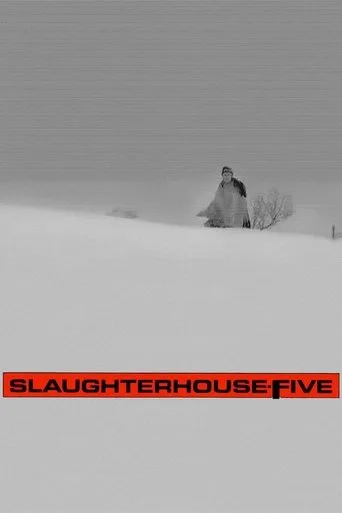
George Roy Hill's Slaughterhouse-Five translates Vonnegut's fractured chronology into cinema, showing how scattered memories of war haunt the mind. This film stands as a poignant exploration of the futility of war and the human condition, intricately weaving together elements of science fiction and drama. Dalton Trumbo's Johnny Got His Gun intensifies Slaughterhouse-Five's treatment of war's aftermath, imprisoning consciousness within a ruined form. This film presents a harrowing exploration of the effects of war, focusing on a soldier who loses his limbs and face in battle yet remains fully conscious.

What show should I watch after Slaughterhouse-Five?
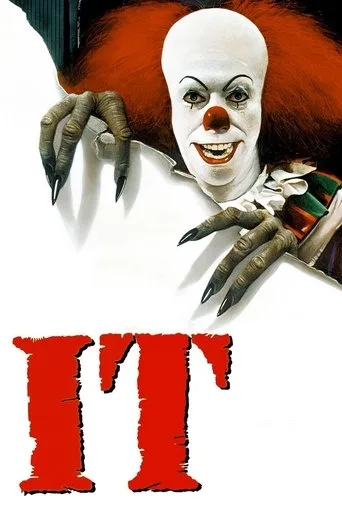
Stephen King's It continues Slaughterhouse-Five's inquiry into how trauma metastasizes through a life, changing who someone becomes. This work masterfully weaves together themes of childhood trauma and the power of friendship amidst horror, drawing readers into a haunting narrative that explores deep-seated fears. Yesterday We Were Still Children follows Slaughterhouse-Five's theme of conflict destroying innocence by focusing on how war steals childhood. This poignant narrative explores the haunting effects of conflict on youth and the fragile nature of innocence.

What anime pairs with Slaughterhouse-Five?
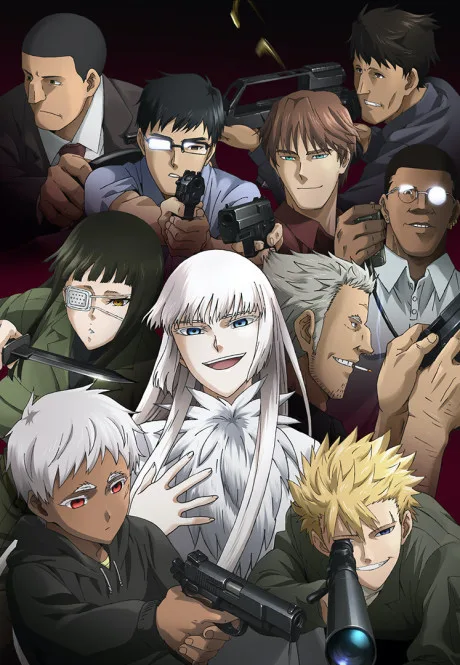
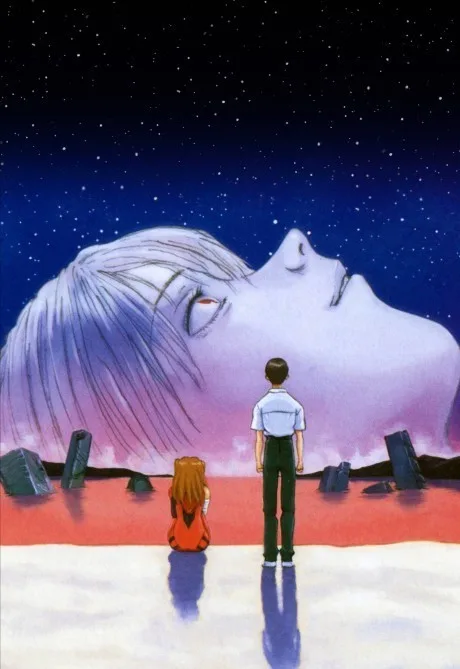
Jormungand extends Slaughterhouse-Five by showing how children weaponized against their will carry psychological wounds indistinguishable from physical ones. This anime stands out for its complex exploration of ethical dilemmas faced by arms dealers and the harsh realities of child soldiers. The End of Evangelion pushes Slaughterhouse-Five's investigation of trauma further, depicting consciousness fragmenting under psychological pressure into near-dissolution. This film serves as a culmination of the character arcs and thematic explorations presented in the series, delving deep into the psyches of its protagonists amidst apocalyptic chaos.
What music pairs with Slaughterhouse-Five?
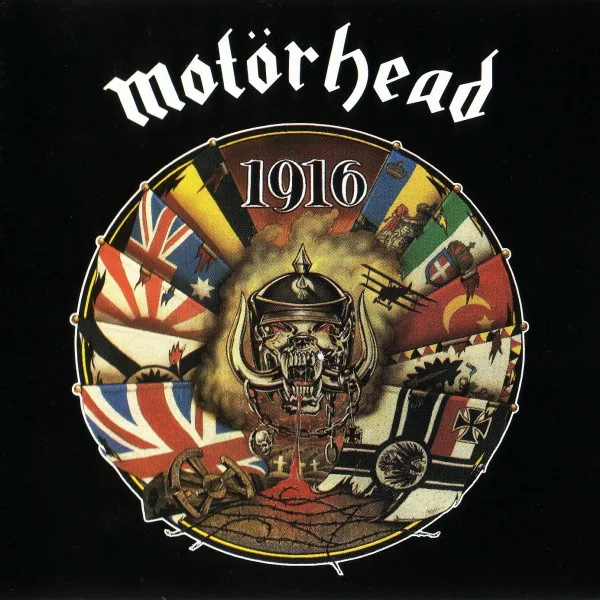
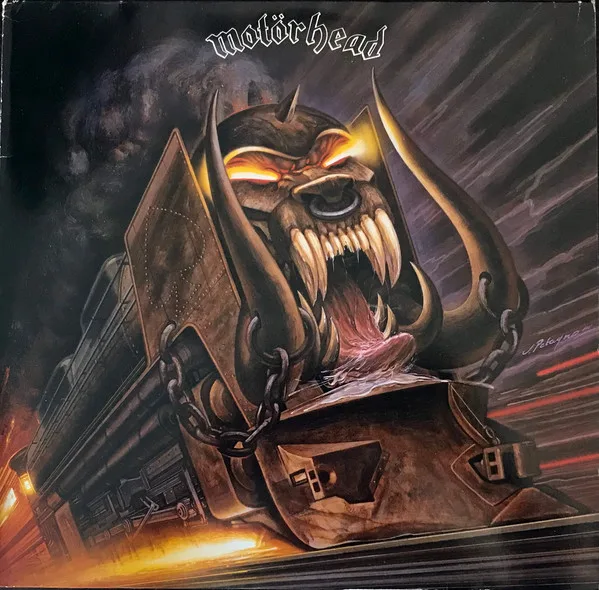
Motörhead's 1916 translates Slaughterhouse-Five's philosophy on mortality into hard rock, treating death and combat as constants of human experience. This record stands as a critical examination of life and death, intertwining themes of war and personal struggle through a hard-hitting rock sound. Motörhead's Orgasmatron channels Slaughterhouse-Five's dark fatalism through brutalist sound, where destruction and loss become inevitable facts of existence. This record captures the raw energy and aggression synonymous with heavy metal, showcasing the band's signature blend of speed and punk influence.
What does Slaughterhouse-Five connect to in your library?
Achriom reads the themes across your books, films, albums, and shows and finds the threads between them. Import your collection and see where this one sits in your taste.
Build your library freeCatalog data and thematic analysis by Achriom, the cross-media personal library.