
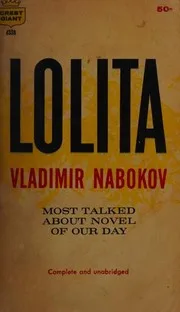
Lolita
Vladimir Nabokov · 1777 · Book
Fiction
In 14 Achriom libraries · rated 4.5 of 5
This novel explores dark themes through the disturbing obsession of a literature professor with a young girl, shedding light on the complexities of desire and morality.
Some links are affiliate links. As an Amazon Associate, Achriom earns from qualifying purchases. For books we prefer Bookshop.org, which supports independent bookstores.
If this resonated
Works across other media that circle the same themes, drawn from real Achriom libraries.
What film should I watch after Lolita?
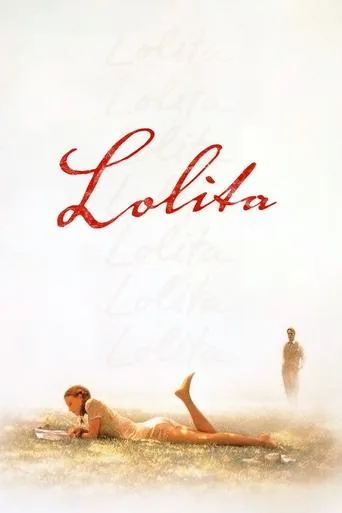
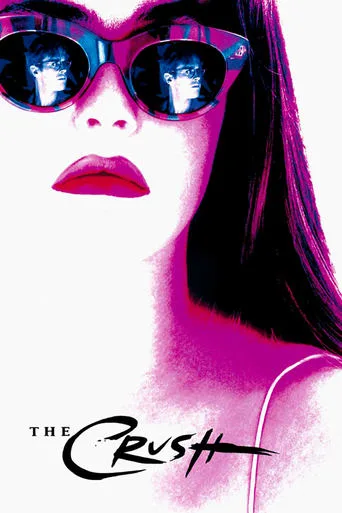
Adrian Lyne's Lolita film renders Humbert's distorted perspective with visual immediacy, preserving the psychological horror that makes Nabokov's novel so morally unsettling. This film delves into the disturbing complexities of obsession and love, presenting a controversial narrative that challenges societal norms. The Crush inverts the obsession dynamic, trapping its protagonist through a teenage girl's fixation and showing how psychological compulsion systematically destroys rational boundaries and identity. This film dives deep into the unsettling dynamics of obsession, illustrating the dark consequences that arise from a misguided infatuation.
What show should I watch after Lolita?
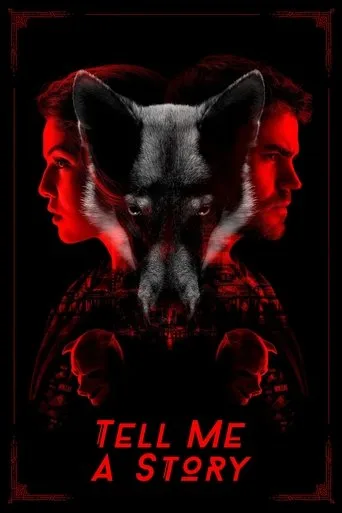
Tell Me a Story reimagines classic tales to examine obsession, much as Lolita corrupts a love story narrative to expose the moral horror of possession. This work reinterprets classic narratives into a chilling exploration of human relationships and psychological complexities. Yeh Kaali Kaali Ankhein traps its protagonist through obsessive entanglement, rendering the same suffocating psychological imprisonment that defines the power dynamics in Lolita. This gripping narrative explores the unsettling intersection of desire and power, highlighting the lengths one might go to escape a suffocating obsession.

What anime pairs with Lolita?
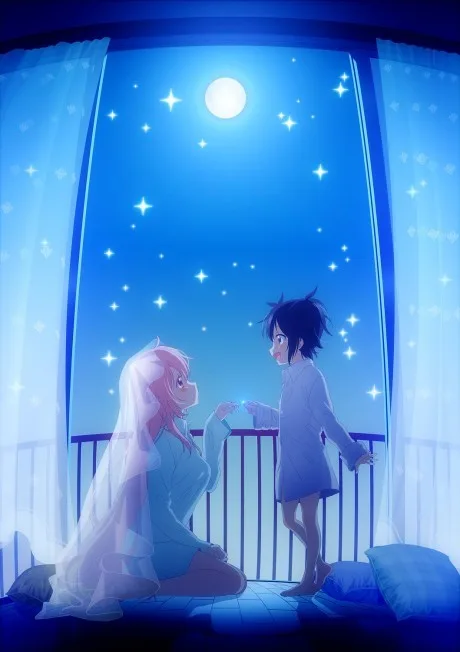
Flowers of Evil renders adolescent corruption through psychological pressure and visual distortion, showing how desire twists young characters into the same moral wreckage as Lolita's narrator. This series delves into the complexities of adolescent desires and the psychological turmoil of its characters. Happy Sugar Life portrays obsessive love with chilling precision, concentrating on a possessive relationship with a child that enacts the same psychological violation at the heart of Lolita. The series explores the disturbing depths of love and possession, focusing on a high school girl who becomes dangerously obsessed with a younger child.

What music pairs with Lolita?
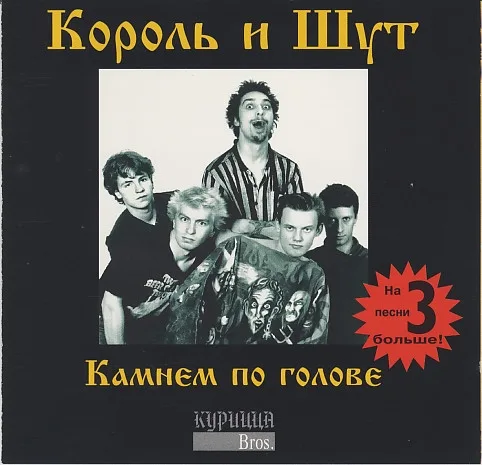
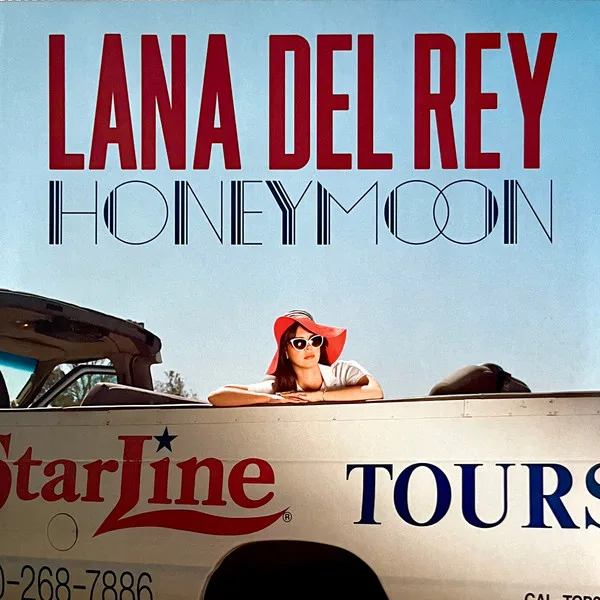
The album Камнем По Голове channels nostalgia through theatrical Russian storytelling, matching Lolita's method of using memory and place to create psychological atmosphere. This record is a significant entry in the Russian rock scene of the late 1990s, known for its theatrical performances and engaging storytelling style. Honeymoon renders love through melancholic soundscapes, capturing Lolita's sense of desire as consuming longing that isolates and corrodes the lover from within. This introspective body of work explores themes of love and longing through a hauntingly atmospheric sound.
What does Lolita connect to in your library?
Achriom reads the themes across your books, films, albums, and shows and finds the threads between them. Import your collection and see where this one sits in your taste.
Build your library freeCatalog data and thematic analysis by Achriom, the cross-media personal library.