
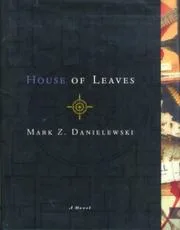
House of Leaves
Mark Z. Danielewski · 1998 · Book
Buy
In 15 Achriom libraries · rated 4 of 5
This book offers a complex and multilayered narrative that challenges conventional storytelling through its unique structure and typographical experimentation.
Some links are affiliate links. As an Amazon Associate, Achriom earns from qualifying purchases. For books we prefer Bookshop.org, which supports independent bookstores.
If this resonated
Works across other media that circle the same themes, drawn from real Achriom libraries.
What film should I watch after House of Leaves?
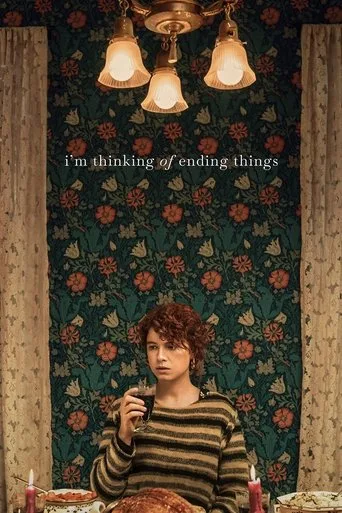
Dark City constructs nightmarish spaces where unreliable memory determines reality and the environment itself becomes an antagonist manipulating inhabitants. This movie presents a haunting exploration of identity and reality, set in a nightmarish urban landscape where the inhabitants are manipulated by unseen forces. I'm Thinking of Ending Things uses circular loops of consciousness through film the way Danielewski uses typography and footnotes to replicate fragmentary thought. This film intricately explores the labyrinth of human consciousness, weaving together surreal imagery and dialogue that challenges the boundaries of reality.

What show should I watch after House of Leaves?
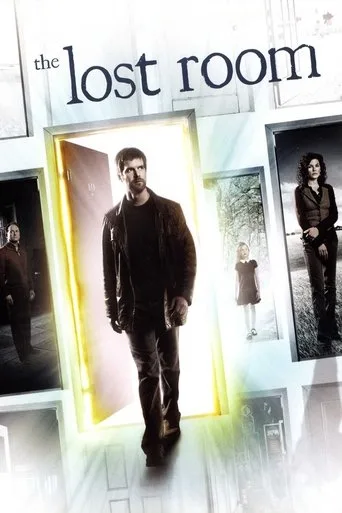
Serial Experiments Lain traps characters within closed systems, digital or architectural, where the boundary between self and environment collapses into psychological horror. This work delves deeply into the implications of digital existence and the thin line between reality and virtuality. The Lost Room uses spatial anomalies as metaphors for fractured consciousness, where physical impossibility reflects psychological rupture and identity dissolution. This work combines elements of mystery and science fiction to explore the implications of alternate realities and the consequences of anomaly.

What anime pairs with House of Leaves?
Junji Ito Collection compresses horror into visual isolation through formal constraint, matching how Danielewski weaponizes typographic restriction to intensify dread. The series presents a chilling anthology of horror stories adapted from one of the most acclaimed manga artists in the genre. Kaiba deconstructs personal identity through architectural restructuring, using physical systems that refuse coherence to replicate the dissolution of self and memory. This series presents a unique exploration of memory and identity in a dystopian landscape where life and death have lost their traditional meaning.


What music pairs with House of Leaves?
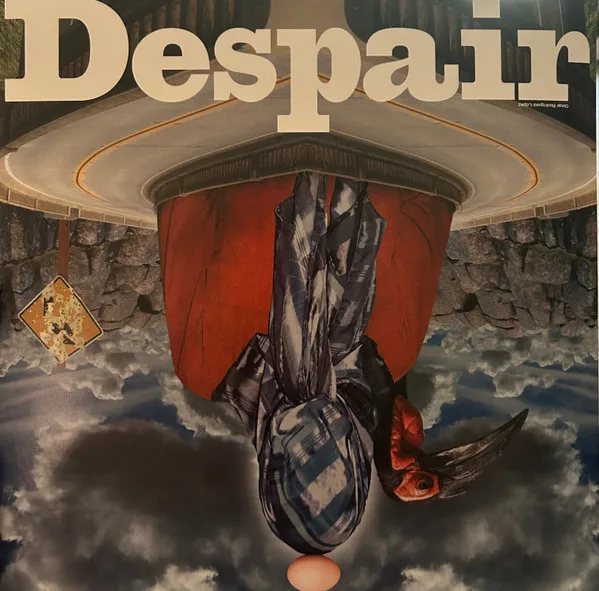
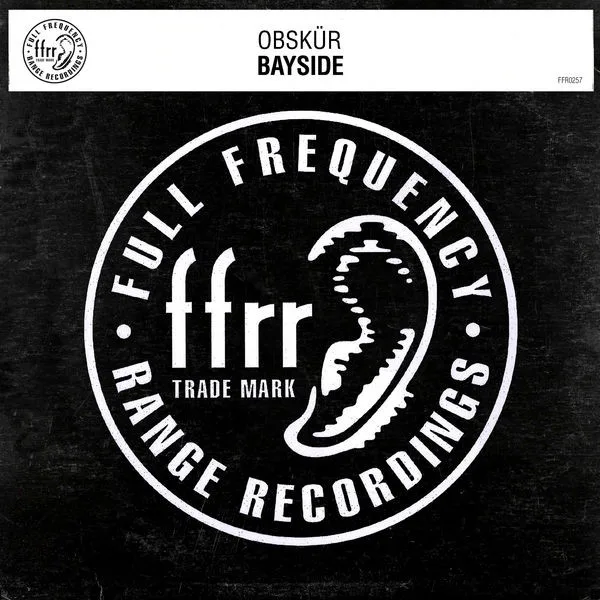
Despair's layered electronic chaos mirrors House of Leaves' typographic noise, both rupturing conventional artistic forms to convey existential claustrophobia. The album dives into the complexities of the human psyche, blending electronic and non-music elements to convey feelings of anxiety and existential dread. Bayside generates disorientation through layered soundscapes and formal innovation the way Danielewski generates psychological unease through typographic structure and fragmentation. This record presents a rich tapestry of electronic music that delves into the complexities of modern existence.
What does House of Leaves connect to in your library?
Achriom reads the themes across your books, films, albums, and shows and finds the threads between them. Import your collection and see where this one sits in your taste.
Build your library freeCatalog data and thematic analysis by Achriom, the cross-media personal library.