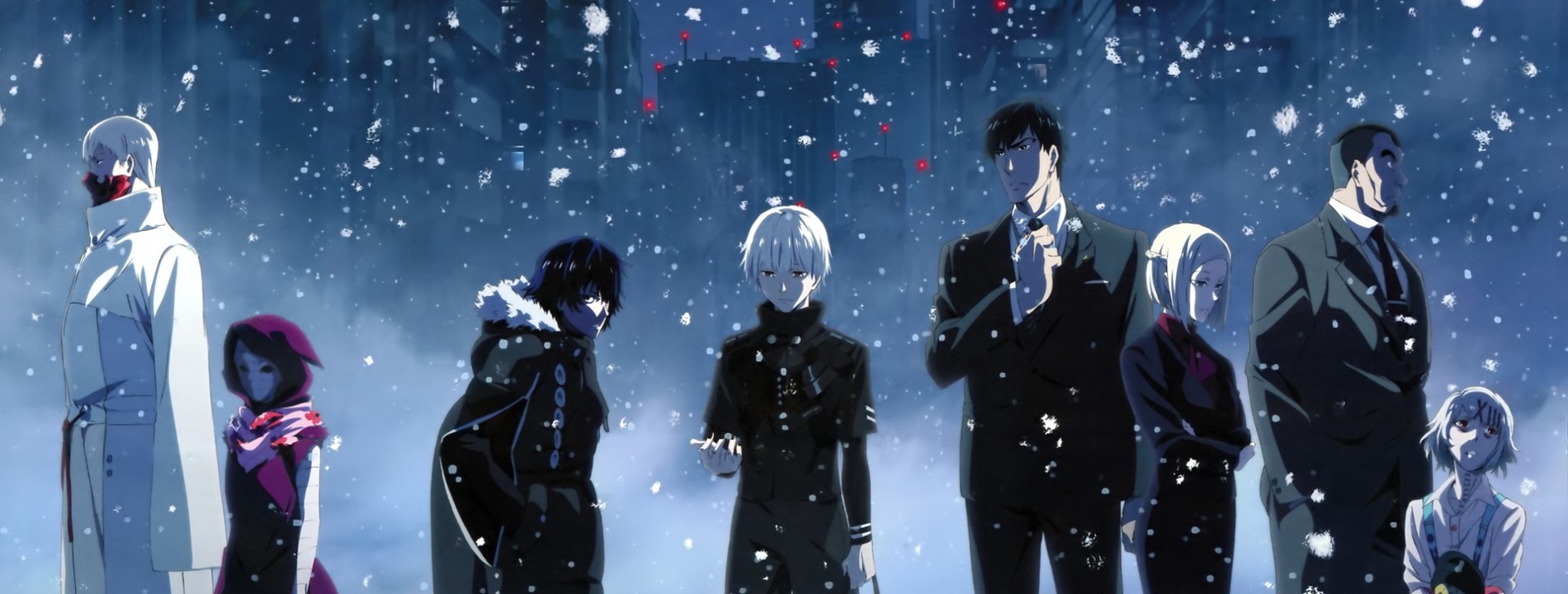

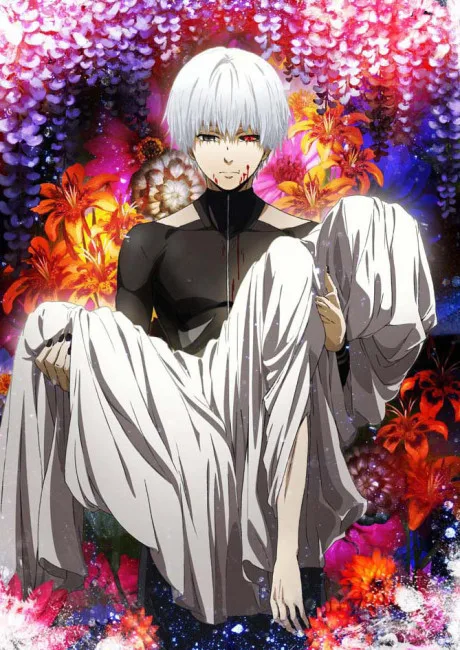
Tokyo Ghoul √A
Studio Pierrot, TC Entertainment, Marvelous, Studio Pierrot · 2015 · Anime
12 episodes · Action, Drama, Horror
In 11 Achriom libraries · rated 3.3 of 5
This series delves into the psychological complexities of its characters, particularly highlighting the inner conflicts faced by those who straddle the line between human and monster.
If this resonated
Works across other media that circle the same themes, drawn from real Achriom libraries.
What should I read after Tokyo Ghoul √A?
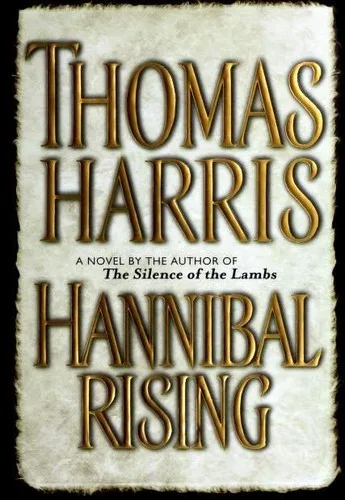
Hannibal charts trauma's corruption of morality through an obsession that compels violence, much as Tokyo Ghoul √A portrays Kaneki's descent into cruelty. This work delves deep into the complexities of human behavior, exploring themes of obsession, morality, and the darker aspects of the psyche. Hannibal Rising traces how trauma transforms a victim into predator, the same trajectory Tokyo Ghoul √A charted for Kaneki's conversion into monstrosity. This work delves into the dark origins of one of literature's most infamous characters, exploring the psychological scars left by trauma and the twisted evolution of a mind shaped by devastating experiences.
What film should I watch after Tokyo Ghoul √A?
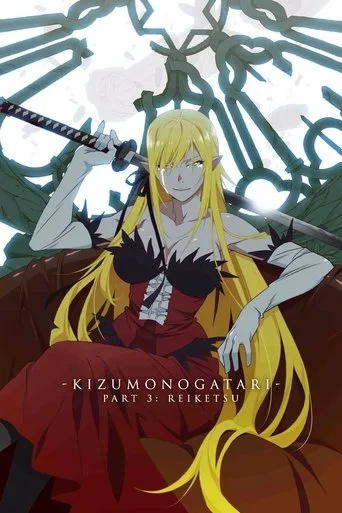
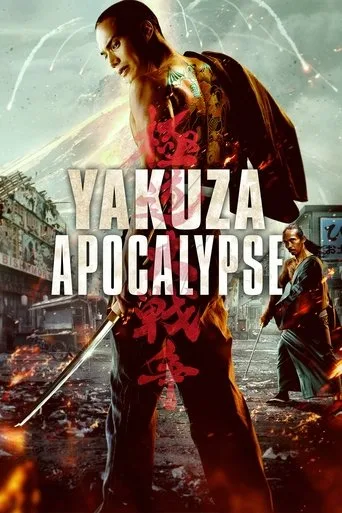
Kizumonogatari traces how inhuman power irreversibly corrupts a protagonist's humanity, mirroring Kaneki's descent into the fractured psyche that √A crystallizes. This work explores the deep emotional conflicts faced by its characters as they navigate the thin line between humanity and monstrosity. Yakuza Apocalypse stages a protagonist's transformation into monstrosity for survival's sake, abandoning identity and morality like Kaneki in Tokyo Ghoul √A. This work blends action and horror within a surreal narrative, creating a chaotic exploration of loyalty and transformation in a dying criminal world.
What show should I watch after Tokyo Ghoul √A?
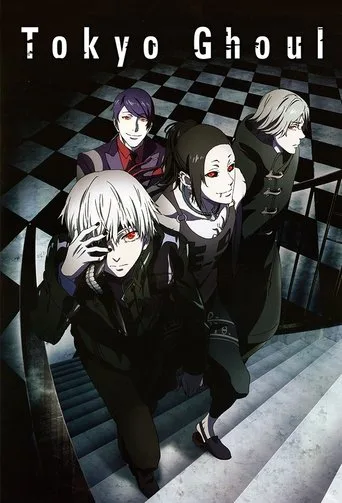
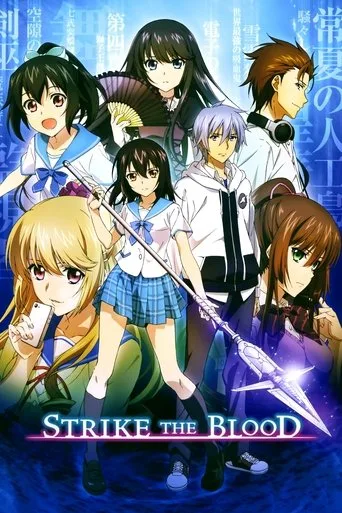
Tokyo Ghoul's original season establishes Kaneki's trauma, while √A intensifies its cost, showing how survival demands sacrificing the person he once was. This work explores the duality of existence through the lens of a young man's transformation into a creature that defies societal norms. Strike the Blood presents a protagonist navigating supernatural power and duty, catching the same tension Kaneki faces between his ghoul nature and human relationships. This work explores the complexities of power, identity, and the struggle between duty and personal desire through the lens of supernatural conflict.
What music pairs with Tokyo Ghoul √A?
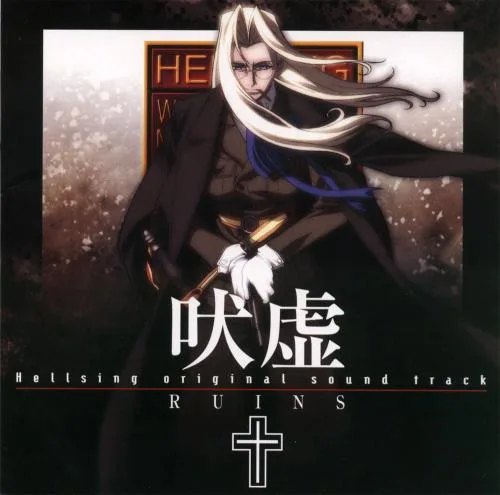
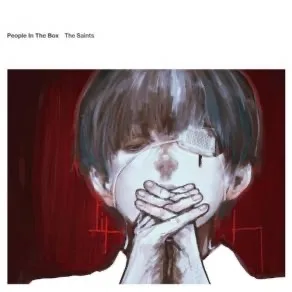
Ruins from Hellsing captures the same dread and fractured identity as Tokyo Ghoul √A's score, rendering monstrous transformation through sound. This record serves as a powerful and evocative soundtrack that captures the dramatic and often violent themes of the series it accompanies. Tokyo Ghoul's Seijatachi soundtrack mirrors the series' fractured consciousness through haunting melodies, an acoustic manifestation of Kaneki's disintegrating sense of self. This record serves as an evocative soundtrack complement to its source material, blending haunting melodies with dramatic instrumental arrangements.
What does Tokyo Ghoul √A connect to in your library?
Achriom reads the themes across your books, films, albums, and shows and finds the threads between them. Import your collection and see where this one sits in your taste.
Build your library freeCatalog data and thematic analysis by Achriom, the cross-media personal library.