

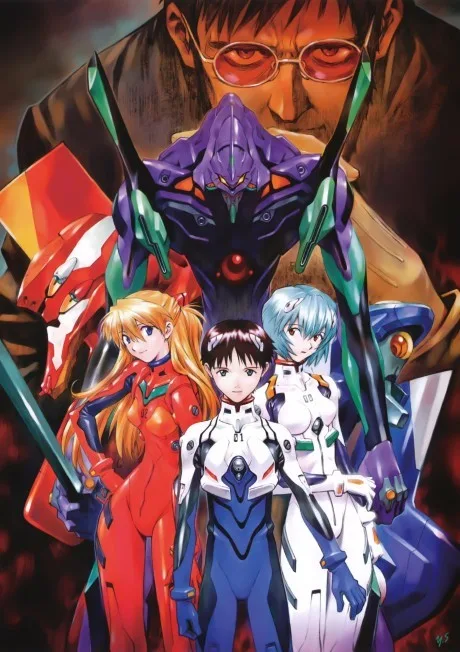
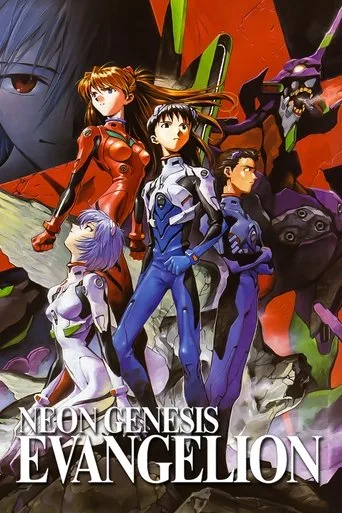
Neon Genesis Evangelion
Gainax, TV Tokyo, ADV Films, Kadokawa Shoten, NAS, Tatsunoko Production, GKIDS, Madman Entertainment · 1995 · Anime
26 episodes · Action, Drama, Mecha
In 16 Achriom libraries · rated 4.5 of 5
The anime explores complex themes of personal identity, mental health, and existential philosophy against the backdrop of an apocalyptic battle between humanity and alien threats.
If this resonated
Works across other media that circle the same themes, drawn from real Achriom libraries.
What should I read after Neon Genesis Evangelion?
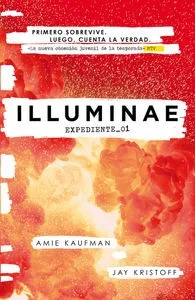
Ghost in the Shell examines consciousness and identity as technical problems, continuing Evangelion's interrogation of what constitutes the self. This book is a pivotal work in the science fiction genre, exploring complex themes of identity and technology through a narrative that blends action and philosophical inquiry. Illuminae structures trauma across fragmented media forms, matching Evangelion's technique of making psychological damage visible through formal choices. Set against the backdrop of a high-stakes intergalactic conflict, this work utilizes an unconventional narrative style that combines mixed media elements to engage readers.

What film should I watch after Neon Genesis Evangelion?
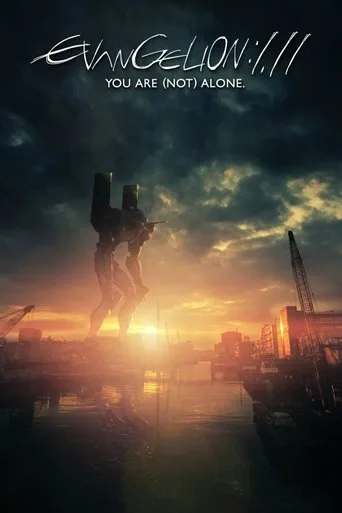
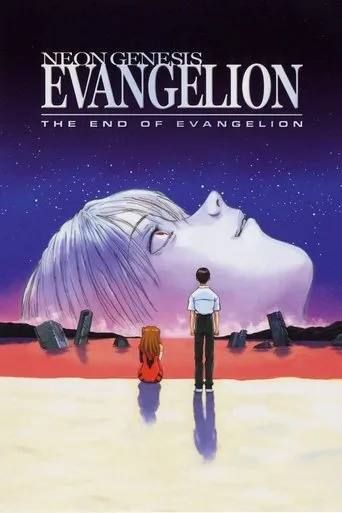
Evangelion: 1.0 You Are (Not) Alone intensifies the psychological weight of expectation and guilt that shaped Shinji's journey. This film delves deep into its characters' psyches, exploring the burden of expectation and the scars left by traumatic experiences. The End of Evangelion pushes into the psychological dissolution you glimpsed in the TV series, presenting trauma without narrative mercy. The film serves as a surreal and complex conclusion to its series, delving into deep psychological themes and existential crises faced by its characters.
What show should I watch after Neon Genesis Evangelion?
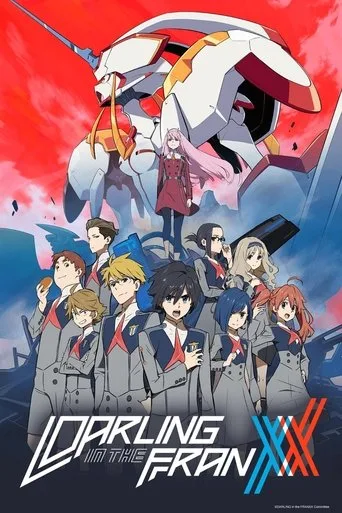
Neon Genesis Evangelion consolidates identity formation through each character's reckoning with duty and connection, crystallizing what makes them themselves. The series is a groundbreaking exploration of the psychological and existential struggles faced by its characters amidst an apocalyptic backdrop. DARLING in the FRANXX channels identity through forced intimacy between pilots, showing connection and autonomy in constant collision. This work is notable for its unique blend of mecha action and emotional storytelling, exploring complex themes such as love and individuality within a structured, dystopian environment.
What music pairs with Neon Genesis Evangelion?
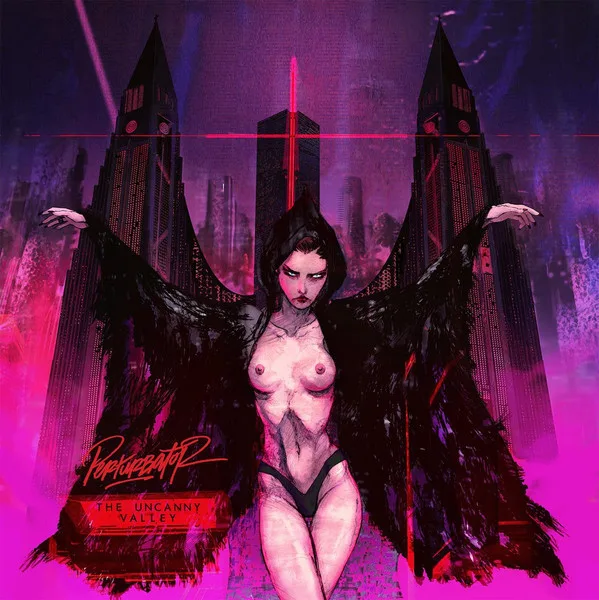
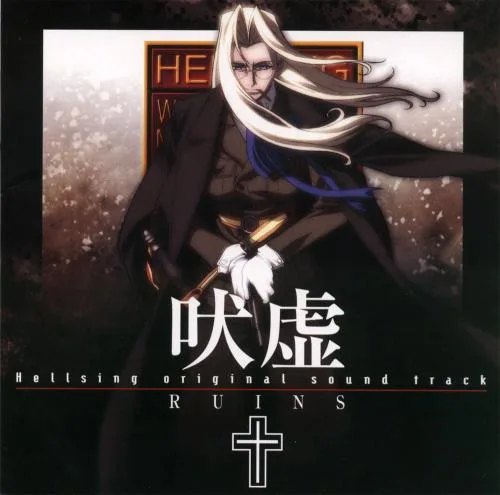
The Uncanny Valley presents identity fragmented through synthesized sound, capturing the alienation that Evangelion renders through psychological breakdown. This record is a significant entry in the synthwave genre, blending dark electronic soundscapes with themes of dystopia and identity. Ruins articulates identity through visceral instrumental violence, matching how Evangelion expresses internal damage through confrontation and bodily catastrophe. This record serves as a powerful and evocative soundtrack that captures the dramatic and often violent themes of the series it accompanies.
What does Neon Genesis Evangelion connect to in your library?
Achriom reads the themes across your books, films, albums, and shows and finds the threads between them. Import your collection and see where this one sits in your taste.
Build your library freeCatalog data and thematic analysis by Achriom, the cross-media personal library.