
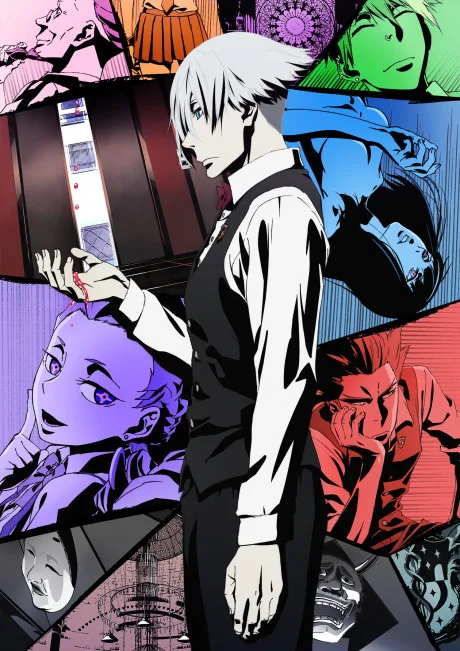
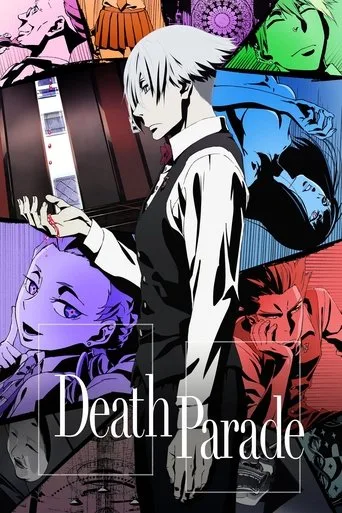
Death Parade
MADHOUSE, VAP, DAX Production, Nippon Television Network · 2015 · Anime
12 episodes · Drama, Mystery, Psychological
In 11 Achriom libraries · rated 3.7 of 5
This series explores profound existential themes as it presents a unique afterlife scenario where souls face a judgment based on their true natures through psychological games.
If this resonated
Works across other media that circle the same themes, drawn from real Achriom libraries.
What should I read after Death Parade?
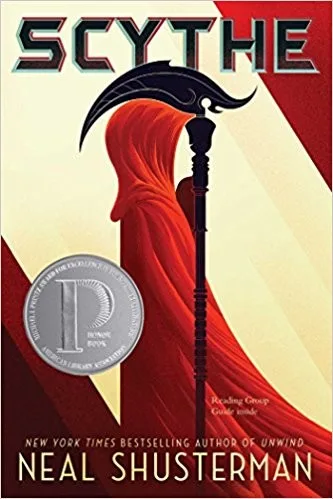
Reaper Man inverts Death Parade by removing Death's judgment from the afterlife, revealing through comedic chaos how moral order depends on impartial evaluation. This novel explores the existential musings of Death as he takes a break from his duties, leading to chaos in the afterlife. Scythe reverses Death Parade's judgment by placing mortality decisions in human hands, maintaining the moral intensity but transferring evaluation from after death to before. This work delves into a future where death has been eradicated and explores the moral complexities faced by those tasked with ending lives.
What film should I watch after Death Parade?
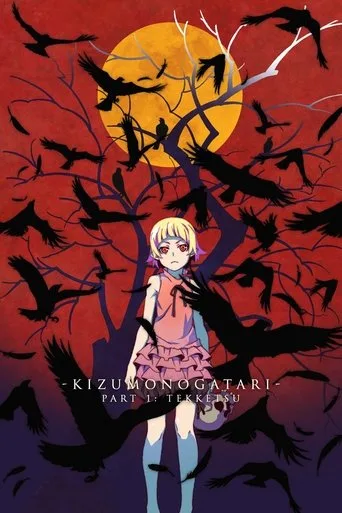
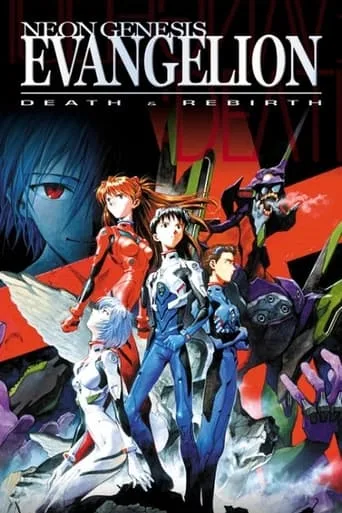
Kizumonogatari reveals character through supernatural crisis just as Death Parade's judgment does, showing how confronting mortality unmasks who people truly are beneath their choices. This work explores the dark complexities of relationships intertwined with supernatural elements, focusing on sacrifice and the moral dilemmas faced by its protagonist. End of Evangelion fragments identity through psychological extremity, paralleling Death Parade's judgment system in measuring who we become when our defenses collapse. This film serves as a poignant and fragmented exploration of the human psyche amidst a backdrop of existential crisis and apocalyptic themes.
What show should I watch after Death Parade?
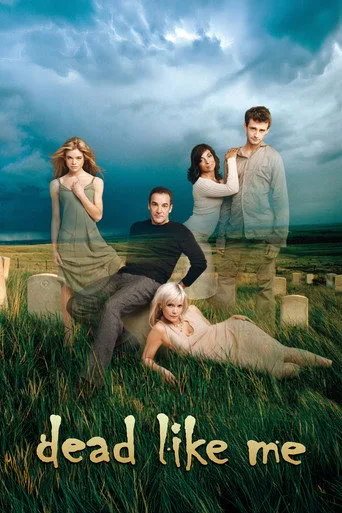
Death Parade the show orchestrates moral judgment through episodes in ways that bind character revelation to cumulative psychological intensity. This series explores a unique concept of an afterlife where individuals play games to determine their fate, presenting moral dilemmas and psychological insights about human nature. Dead Like Me constructs identity through dark humor in the afterlife, matching Death Parade's fundamental question of who we truly are when life ends. This series uniquely blends dark humor with poignant reflections on life and death, offering a fresh perspective on the afterlife through its quirky protagonist.
What music pairs with Death Parade?
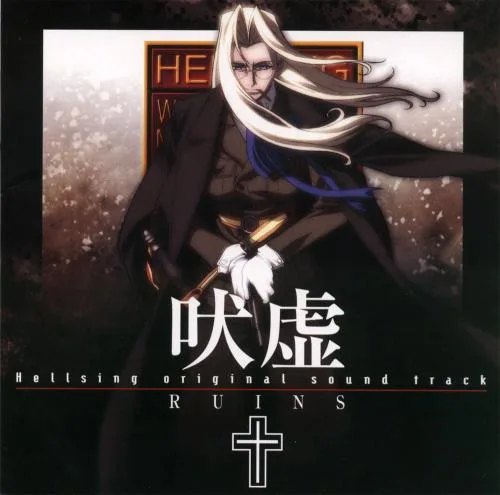
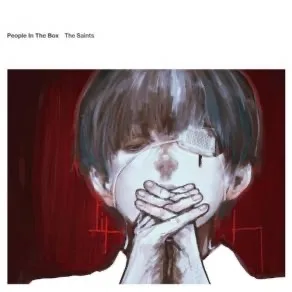
Ruins conveys the visceral weight of moral confrontation that Death Parade achieves through games, rendering the cost of human cruelty as dramatic music. This record serves as a powerful and evocative soundtrack that captures the dramatic and often violent themes of the series it accompanies. Tokyo Ghoul's soundtrack conveys the shattering identity crisis matched by Death Parade's judgment, rendering internal moral struggle as haunting instrumental accompaniment. This record serves as an evocative soundtrack complement to its source material, blending haunting melodies with dramatic instrumental arrangements.
What does Death Parade connect to in your library?
Achriom reads the themes across your books, films, albums, and shows and finds the threads between them. Import your collection and see where this one sits in your taste.
Build your library freeCatalog data and thematic analysis by Achriom, the cross-media personal library.